
Bishop Melchisedec Sikuli Paluku of the Catholic Diocese of Butembo-Beni in the Democratic Republic of Congo has expressed sorrow following a deadly attack by rebels that reportedly left 43 people dead in the northeastern province of Ituri, raising concerns about insecurity in the region.
The attack occurred overnight from April 2 to April 3 in the village of Bafwakao in the Mambasa territory.
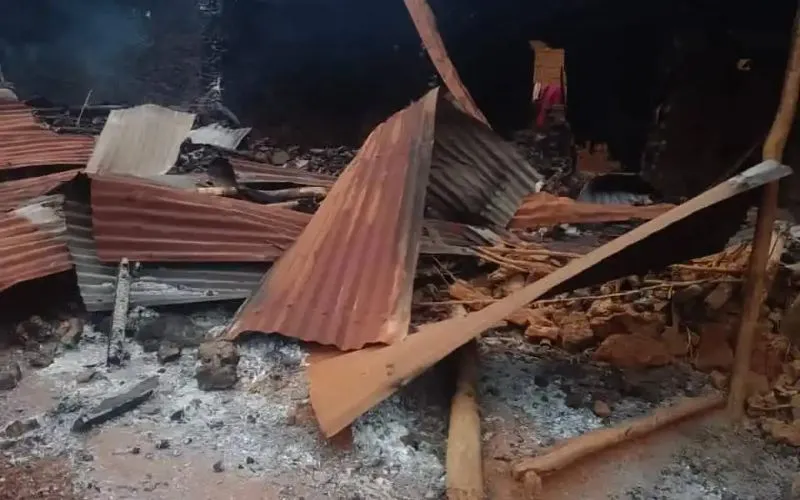
The Allied Democratic Forces (ADF), an armed group affiliated with the Islamic State, reportedly stormed the village around 8 p.m., setting fire to nearly 60% of the homes.
Bodies were reportedly found along the main road and in burned houses, some mutilated with machetes and others shot.
By Thursday afternoon, local authorities reported at least 10 bodies discovered, while civic groups counted 32 deaths. The Congolese army later confirmed a total of 43 victims.
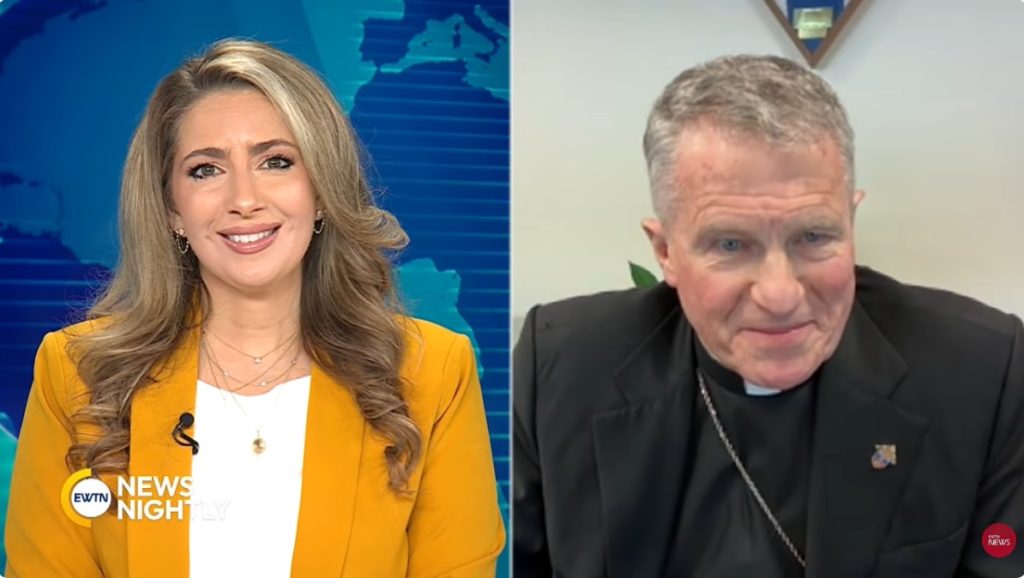
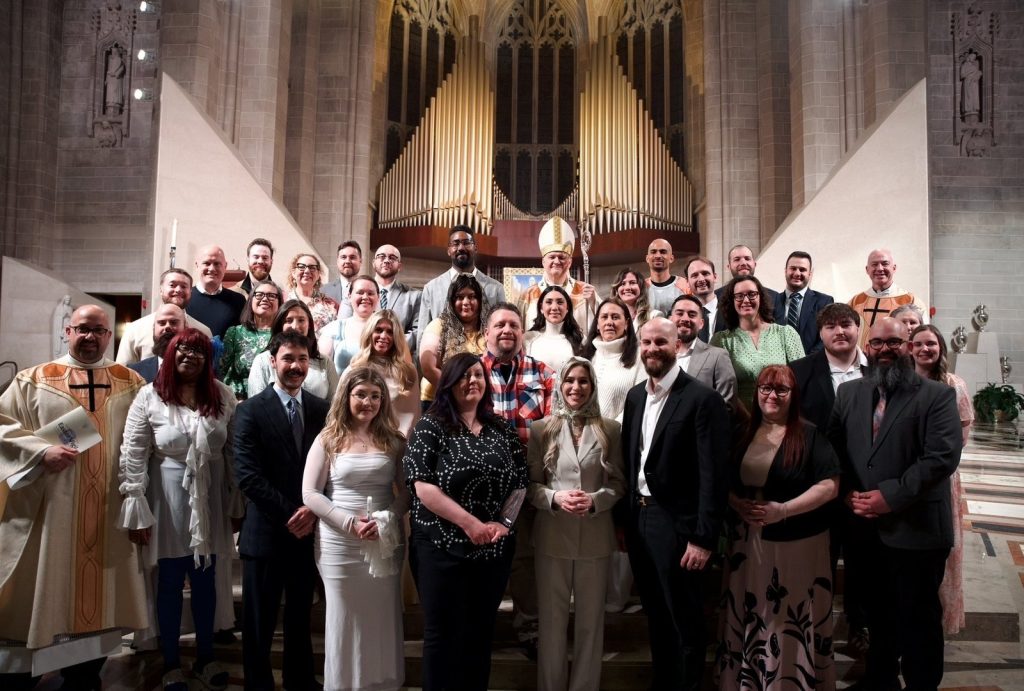
In his homily for Easter on Sunday, April 5, Paluku called for prayers for peace and urged authorities to ensure the protection of lives and property amid ongoing insecurity.
The bishop expressed solidarity with those affected by conflict, both within the region and beyond.
“I share the pain of the brothers and sisters of parishes such as Masoy, of Christians in North Kivu, South Kivu, and Ituri, as well as of countries like Israel that are unable to celebrate Easter in proper conditions due to the lack of peace and security,” he said during the Mass on Easter.
“I therefore call on the authorities to invest in the search for peace to ensure national unity; they must protect citizens and their property,” he said.
“The passion of Christ was not his defeat; he was not overcome. It is the greatest manifestation of his boundless love,” the bishop said, encouraging believers to turn away from actions that diminish human dignity, noting that rising with Christ does not mean abandoning the world but fulfilling one’s responsibilities faithfully.
“Each person must do their duty as it should be done,” he said.
Human rights defender John Vuleveryo Musombolwa confirmed cases of kidnappings during the attack and highlighted the mass displacement of the population. Residents fled in panic to safer neighborhoods, including Afrique du Sud, Darsalam, Pays-Bas, and Hewabora.
Musombolwa praised the intervention of the Armed Forces of the Democratic Republic of Congo (FARDC) but urged authorities to strengthen security measures in the area.
“The enemy is already at the center of Mambasa. The chief town risks being emptied if the authorities do not take the situation seriously,” he warned.
The attack in Bafwakao is unprecedented, as the village had previously been spared from jihadist incursions.
It comes amid a resurgence of violence since early March 2025 in the Bandaka chiefdom, to which the village belongs.
The ADF, originally from Uganda, has been operating in eastern Democratic Republic of Congo since the 1990s, continuing to terrorize local communities despite joint military operations with the Ugandan army.
The effectiveness of the FARDC response has been questioned. While the territorial administrator said the army intervened the same night, civil society representatives denounced a delayed response that occurred the next morning without any exchange of fire. This discrepancy has fueled distrust between local communities and the military, highlighting long-standing concerns about government protection in rural areas.
In the wake of the attack, angry residents reportedly lynched a suspected ADF fighter in the Arua II neighborhood, located two kilometers (1.24 miles) from the center of Mambasa. The individual had allegedly been hiding in a residential house following the assault.
This story was first published by ACI Africa, the sister service of EWTN News in Africa, and has been adapted by EWTN News.